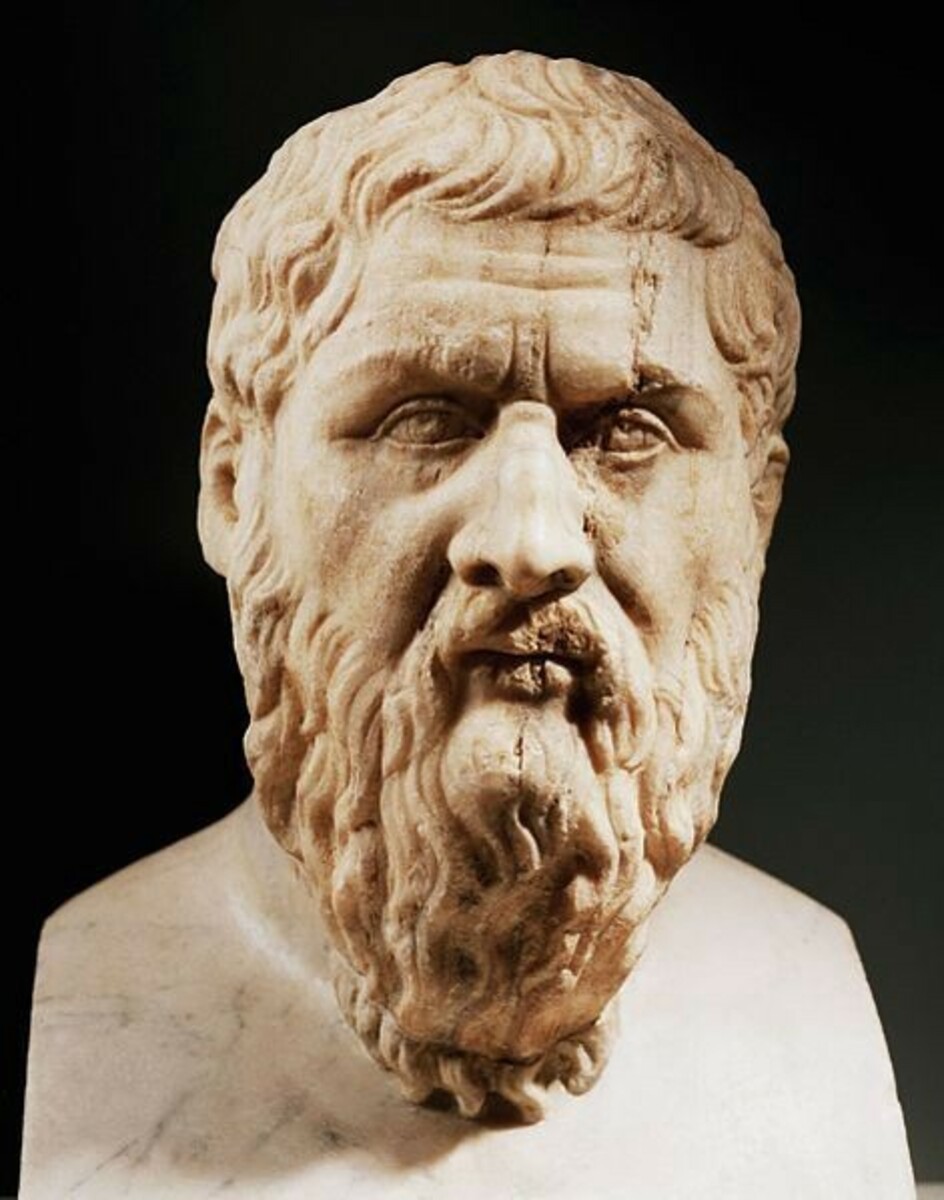
Gorgias (known in ancient Greek as Γοργίας, Gorghías; 483 – 375 BC) was an ancient Greek rhetorician and philosopher. He was a native of Leontinoi, in Sicily. He was a pupil of Empedocles, and of the first rhetoricians Corax and Tisias; he was also influenced by Pythagorean and Eleatic School.
Gorgias is considered as one of the major figures of the Sophist group, as well as theoretician of an absolute ethical relativism, founded on a “moral of situation” tending to nihilism.
His thought revolves around the necessity to interpret the “mystery present”with the aim of revealing it to the audience. Thus, he was holding the role of “Teacher of truth”.
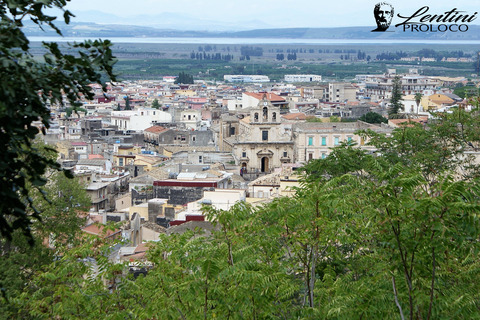
He was born around 483 BC in Leontinoi (today Lentini, a city in the Province of Syracuse), an ancient Greek city in Sicily. In 427 he participated in an expedition to Athens to ask for Athenian protection against the aggression of the Syracusans. There, he gained a great success for his eloquence.
He made several trips in Thessaly, Boeotia, Argus (where his classes were forbidden), Delphi and Olympia, where he pronounced memorable speeches. Selling his own teachings from town to town, he gained enormous wealth getting paid 100 mina per pupil, even if in reality after his death he left a rather modest sum.
He died in Thessaly. Among his numerous pupils, mention should be made of Polus, Critias, Alcibiades, Thucydides, Alcidamas, Isocrates and Antisthenes. It also seems that he had a great friendship with Pericles.
Many were the works attributed to him but the majors were the Encomium of Helen and On Nature or the Non-Existent.
Caption and audio made by Sarah Campisi.