
Archa is a common, unofficial, name of Turkic origin for various juniper species growing in the mountains of Central Asia. These hardy trees often settle in rock crevices, which they gradually expand using their root system. They vary greatly in shape: sometimes they are curiously curved, sometimes straight like the slender pyramidal poplar or cypress, sometimes prostrate, or sometimes curly.
The archa grows very slowly. The annual rings are thinner than paper. In the wild, the Central Asian juniper grows upwards and outwards by not more than 1 centimetre annually, so a one-metre tree is about 100 years old.
The juniper needles emit large amounts of volatile substances – phytoncides, which kill pathogenic microorganisms in the air around them. Formerly, juniper branches were burnt to fumigate rooms and treat livestock.
The juniper wood contains large amounts of resin, which is why it is very strong. It was widely used in everyday life to build houses, produce household utensils, and obtain charcoal. Bridges of juniper logs over mountain rivers are known for having a long life.
The juniper accompanied a person from their birth until after their death. Cradles were made from large trunks, which were believed to endow a child with strong health and all kinds of talents. Many Central Asian rulers, with Amir Temur (Tamerlane) among them, were buried in juniper coffins.
***
In Central Asian mountains, juniper trees form a distinct vegetation belt. Juniperus seravschanica grows at altitudes from 1,000 to 2,500 metres, while Juniperus turkestanica occurs between 2,000 and 3,000 metres above sea level. Juniperus semiglobosa occupies an intermediate altitudinal position, forming mixed associations with the other two species. The fourth species is Juniperus turcomanica, inhabiting medium to high altitudes in the Khorasan-Kopet Dag mountain system.
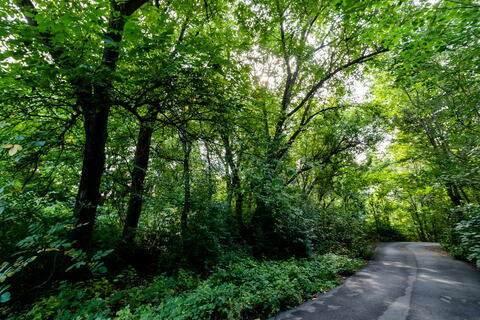
Find a Juniperus seravschanica tree to the left of the path along the track.
***
Pashtun juniper Juniperus seravschanica Kom.
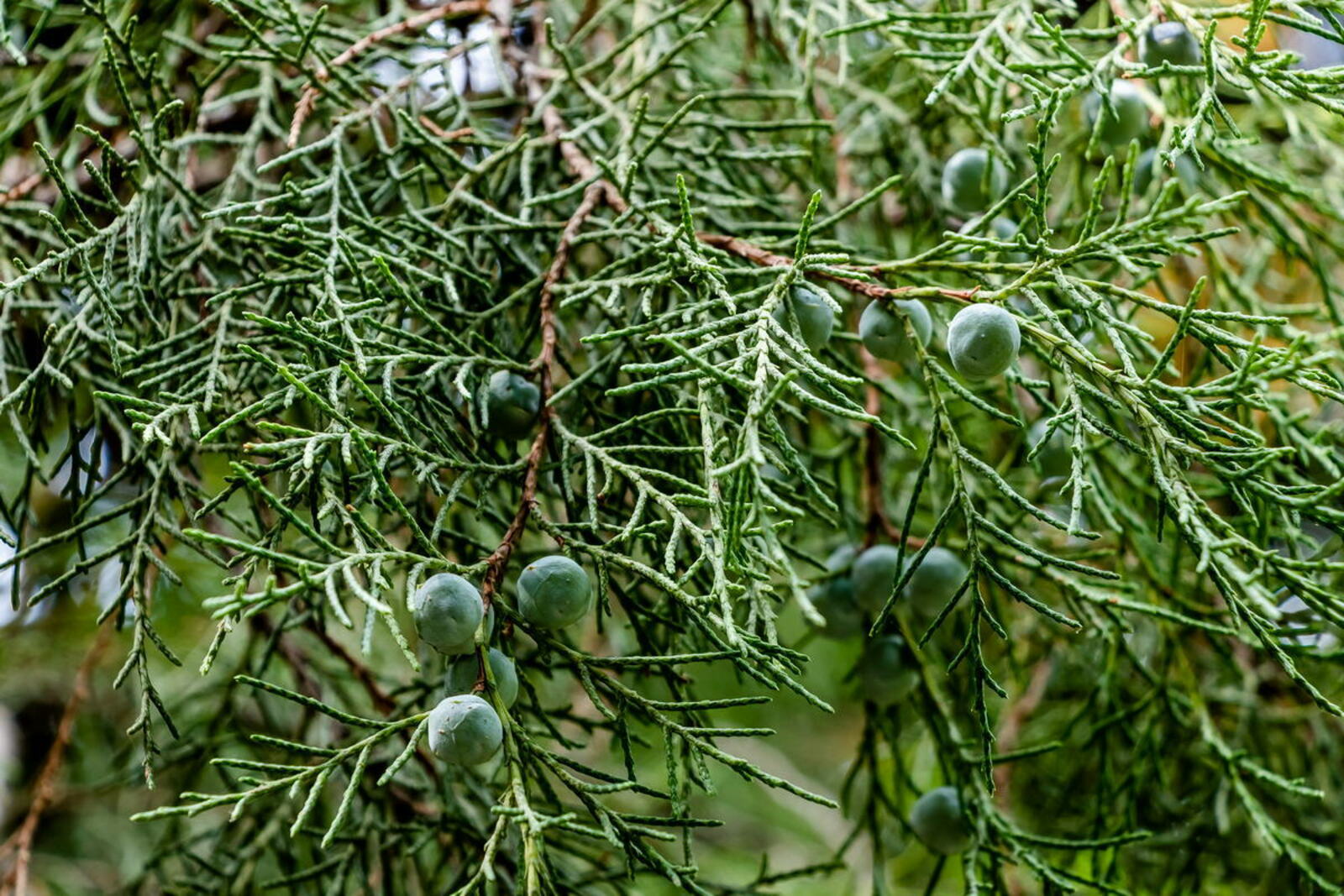
Juniperus seravschanica is a dioecious tree up to 20 metres high with a thick oval or conical crown and reddish flaky bark. It grows on rocky, gravelly, and sandy mountain slopes. The leaves are tiny, ovoid, elongated and sharp.
The spherical cones with a diameter of up to 12 millimetres are green at first and then dark brown when ripe. They are hard and covered with a bluish coating; under the skin there is a woody layer containing 2 or 3 seeds under it.
Juniperus seravschanica prevents mountain slopes from erosion and landslides. Cracking rocky surfaces, the juniper allows melt- and rainwater to go deep under the soil and feed springs. In places where all the junipers are cut down, springs dry up. The juniper is a key species for the formation of plant communities at middle altitudes. In mountain villages, the wood with a red core and a characteristic aroma is used in building and crafts.